


The planet’s shifting under our feet—forests thinning, waters warming, air thickening with particles we can’t always see. It’s not just a hunch; science backs it up. Scientists have estimated that around 90% of the world’s coral reefs are at risk of being completely wiped out by 2050, a statistic that’s both a wake-up call and a push for better tools to watch it unfold.
That’s where optical technology swoops in—a game-changer letting researchers peek into nature’s nooks and crannies like never before. From lasers to lenses, it’s how we’re keeping tabs on a world in flux, spotting trouble early, and figuring out what’s next. Let’s unpack how this tech lights the way to tracking environmental shifts.
Focusing on the Smallest Details
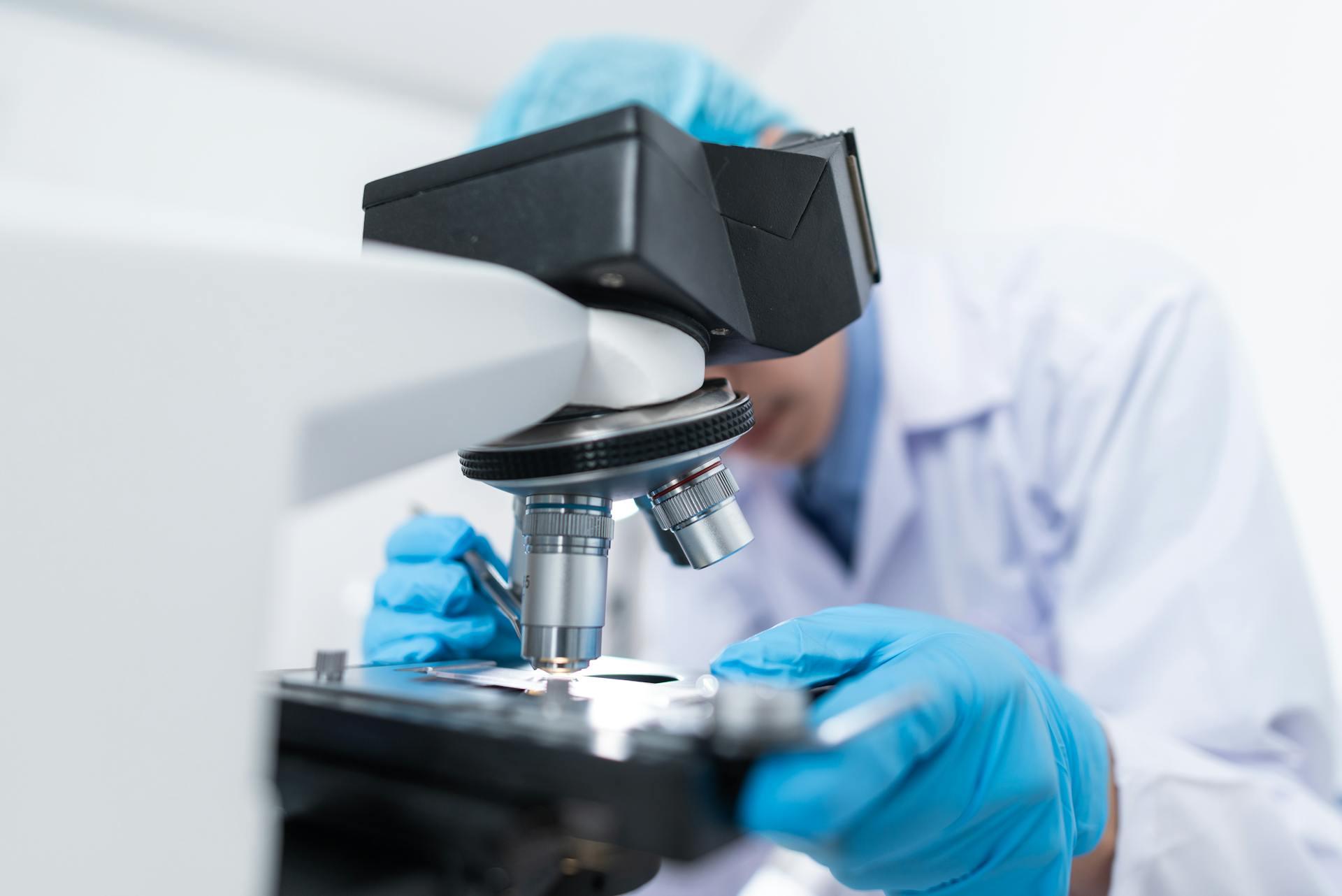
When it comes to catching the smallest clues—like how algae’s reacting to warmer seas—optical tech’s got the edge. A fluorescence microscope is a star player here, letting researchers zero in on living cells by making them glow under special light. Picture it: a drop of water from a struggling lake, slid under the lens, reveals phytoplankton lighting up—showing if they’re stressed, thriving, or dying off.
It’s not just pretty pictures; it’s a window into how microscopic life’s holding up against pollution or heat spikes. That close-up view ties the tiniest shifts to bigger ecological ripples, giving a heads-up on what’s brewing out there.
Mapping Changes from Above
Optical tech isn’t stuck at ground level—it’s soaring high too. Satellites armed with cameras and sensors sweep over forests, glaciers, and coastlines, snapping shots that show what’s shrinking or spreading. Think of a bird’s-eye view catching a wildfire’s scar or a wetland drying out—those images stack up over time, painting a story of change you can’t miss.
Researchers tweak the tech to spot specific wavelengths, like infrared, to track plant health or ice melt. It’s like a time-lapse movie of the planet, letting them mark trends and sound alarms before things hit a tipping point.
Analyzing the Air We Breathe
Air’s not invisible to optical tools—lasers and spectrometers cut through the haze to see what’s floating around. Fire a laser across a valley, and it bounces back with intel on carbon dioxide, methane, or smog levels. It’s a trick called LIDAR—light detection and ranging—and it’s dead-on for tracking how emissions shift with weather or human habits.
Researchers park these setups near cities or forests, watching how the atmosphere’s mix changes daily. That data’s gold for linking pollution spikes to climate quirks, giving a clearer bead on what’s choking the skies.
Diving Deep into Waterways
Water’s a big piece of the environmental puzzle, and optical tech dives right in. Sensors hitched to buoys or drones use light to probe rivers, lakes, and oceans—catching how clear or murky things are getting.
Turbidity’s a big tell: muddy water might mean runoff’s kicking up from a storm or a busted ecosystem upstream. Then there’s color—shifts from blue to green could flag algae blooms, a sign of nutrient overload or warming tides. Researchers pair these gadgets with boats or even handheld scopes, building a real-time map of what’s stirring below the surface.
Piecing It All Together
Optical tech’s not a solo act—it’s a team effort tying micro to macro. Those glowing cells under a microscope? They sync with satellite shots of a coastline turning brown, hinting at a food chain wobble. Laser air scans match up with water readings, showing how factory plumes might be souring a lake miles away.
Researchers lean on software to stitch these threads into one big picture—think dashboards that flash red when something’s off. It’s not just about collecting dots; it’s connecting them to see the full scope of change, from a single bug to a whole biome.
Conclusion
Optical technology is rewriting how we track the environment—sharp, fast, and everywhere at once. It’s catching the glow of stressed plankton, the fade of a forest, the haze in the air, the murk in the water—all feeding into a clearer take on what’s happening out there. Sure, it’s not the whole answer—boots on the ground and old-school sampling still matter—but it’s a hell of a spotlight. For researchers, it’s like getting X-ray vision on a planet that’s not waiting around. Every beam and pixel is a step toward understanding, maybe even fixing, the mess we’re in—or at least keeping a damn good eye on it while we try.
