


Cyberattacks don’t just hit networks. They hit trust. And once that’s gone, the road to recovery can be long and full of questions: Who got in? What did they take? Are they still lurking somewhere inside?
That’s where digital forensics comes in. Think of it as the detective work behind the screen, the careful process of combing through digital traces to figure out what happened, how, and who was behind it. As threats become sneakier and the stakes keep rising, it’s become a lifeline for companies trying to understand and bounce back from a cyber incident.
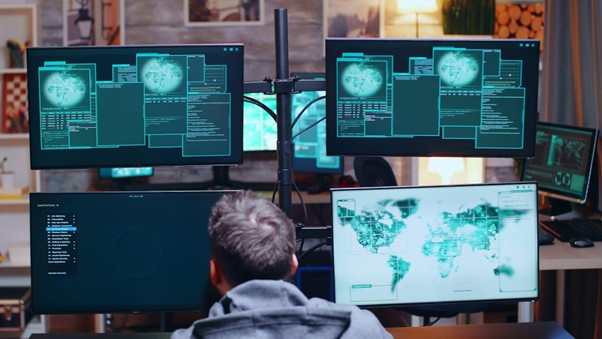
So, What Exactly Is Digital Forensics?
At its core, digital forensics is all about figuring out the truth behind digital events. Whether it’s a breached server, a leaked database, or an employee’s suspicious activity, the goal is the same: gather digital evidence, preserve it, and make sense of it without messing anything up.
This isn’t just about tracking hackers. It’s about knowing where to look and how to read the signs. Imagine trying to understand a plane crash without the black box. Digital forensics is that black box for cyber incidents.
The Five Basics That Forensic Investigators Live By
No matter how messy or high-stakes an investigation is, there are a few rules that keep everything grounded:
- Spot the Evidence – Before anything else, investigators have to identify where digital clues might live. That could be in emails, USB drives, cloud apps, or buried deep in system logs.
- Lock It Down – Digital evidence is fragile. One accidental click or software update, and a crucial clue might be gone. That’s why pros make exact copies of data before doing anything else.
- Break It Down – Using specialized tools, analysts dig through files, metadata, and activity logs to reconstruct what really went down.
- Write Everything Down – Every step has to be documented—who touched the evidence, when, and how. Without a solid chain of custody, the whole case could fall apart.
- Tell the Story – After all the tech work, investigators need to explain what they found in a way that makes sense to leadership, lawyers, or sometimes even a jury.
These five steps might sound simple, but they’re anything but. Each one takes skill, patience, and a deep understanding of both technology and human behavior.

What Counts as Digital Evidence?
It could be an email. A timestamp. A log file that shows who logged in at 2 a.m. when no one was supposed to. Digital evidence is any piece of data that can help paint a picture of what happened. And in today’s world, that picture often includes thousands or even millions of data points.
That’s why data forensics teams rely on tools that can sift through huge volumes of information without missing the details that matter. And once they find something worth looking at, they protect it like gold using things like write blockers and hash checks to make sure no one can claim it’s been altered.

The People Behind the Screens
The role of a digital forensics investigator is part analyst, part detective, and part storyteller. They know their way around registry files, know how to catch signs of a rootkit, and often think like the attackers they’re trying to stop.
These professionals don’t just jump in after a breach. They help companies prepare for the worst. They build playbooks for what to do if ransomware hits. They test systems for hidden weaknesses. They review incidents to make sure the same mistakes don’t happen twice.
When things go sideways, they’re the ones leading the charge in digital forensics and incident response, piecing together the chaos while everyone else is scrambling to keep the lights on.
Why Digital Forensics Matters for Cybersecurity
You can’t fix what you don’t understand. That’s the blunt reality behind most post-breach investigations. And that’s where digital forensics earns its place in the cybersecurity world.
This isn’t just a behind-the-scenes service. It’s part of the core strategy that helps security teams:
- Respond faster to attacks
- Understand how intrusions happened
- Close gaps before attackers come back
- Document everything for legal and compliance needs
By combining forensics with threat detection platforms like XDR, teams can go beyond alerts and actually see the context of what’s happening. Is that login from Moscow just a VPN, or is it the first sign of a breach? Forensics helps answer questions like that before they become problems.
Real-World Complexity
Investigating a cyber incident isn’t always clean-cut. Attackers use encryption, proxies, and spoofed credentials to cover their tracks. Companies use dozens of cloud services, remote workers log in from everywhere, and data lives in more places than anyone can count.
That’s why forensic investigations often come with tough choices. Do you shut down a system to preserve evidence and risk downtime, or keep it running and potentially lose key data? These decisions can’t be made lightly.
Organizations often lean on outside expertise for this. Stroz Friedberg from LevelBlue delivers expert-led digital forensics, helping teams navigate these moments through investigation, remediation, and building resilience.
And for companies looking to stay ahead of the curve, LevelBlue Labs offers insights into the newest forensic techniques, threat actor trends, and real-world case studies that don’t show up in textbooks.
A Bigger Picture
Digital forensics isn’t just about cleaning up after an attack. It’s about being prepared. It works hand in hand with tools and programs that reduce risk before anything goes wrong. For example, LevelBlue’s exposure and vulnerability management consulting services help organizations identify weak points that might eventually require forensic analysis if left unaddressed.
When these systems work together, when you have monitoring, response, and investigation all connected, you don’t just survive attacks. You learn from them. You adapt. You grow stronger.
One Last Thought
In a world where cyberattacks are a matter of “when,” not “if,” digital forensics gives companies something priceless: clarity. It turns the unknown into something tangible. Something actionable.
So, the next time someone asks, what is digital forensics, the answer isn’t just about files and logs. It’s about understanding the story behind a digital event and having the right people and tools to tell that story when it matters most.
References
1. “What is Digital Forensics?” — National Institute of Standards and Technology (NIST)
2. “Guide to Integrating Forensic Techniques into Incident Response” — NIST Special Publication 800-86
3. “The Role of Digital Forensics in Cybersecurity” — SANS Institute
4. “Digital Forensics Essentials” — EC-Council
5. “Cybercrime Trends and Analysis” — Europol 2024 Report
The content provided herein is for general informational purposes only and should not be construed as legal, regulatory, compliance, or cybersecurity advice. Organizations should consult their own legal, compliance, or cybersecurity professionals regarding specific obligations and risk management strategies. While LevelBlue’s Managed Threat Detection and Response solutions are designed to support threat detection and response at the endpoint level, they are not a substitute for comprehensive network monitoring, vulnerability management, or a full cybersecurity program.
