
Close Menu
  • Home
  • AI
  • Big Data
  • Cloud Computing
  • iOS Development
  • IoT
  • IT/ Cybersecurity
  • Tech
    • Nanotechnology
    • Green Technology
    • Apple
    • Software Development
    • Software Engineering

Subscribe to Updates

Get the latest technology news from Bigteetechhub about IT, Cybersecurity and Big Data.

    What's Hot

    Latest progress update on Microsoft’s Secure Future Initiative

    November 17, 2025

    November 17, 2025 – Tim Cook succession planning, more

    November 17, 2025

    How to Hire Offshore Software Developers

    November 17, 2025
    Facebook X (Twitter) Instagram
    Facebook X (Twitter) Instagram
    Big Tee Tech Hub
    • Home
    • AI
    • Big Data
    • Cloud Computing
    • iOS Development
    • IoT
    • IT/ Cybersecurity
    • Tech
      • Nanotechnology
      • Green Technology
      • Apple
      • Software Development
      • Software Engineering
    Big Tee Tech Hub
    Home»Artificial Intelligence»Scientists build artificial neurons that work like real ones
    Artificial Intelligence

    Scientists build artificial neurons that work like real ones

    big tee tech hubBy big tee tech hubOctober 14, 20250353 Mins Read
    Share Facebook Twitter Pinterest Copy Link LinkedIn Tumblr Email Telegram WhatsApp
    Follow Us
    Google News Flipboard
    Scientists build artificial neurons that work like real ones
    Share
    Facebook Twitter LinkedIn Pinterest Email Copy Link


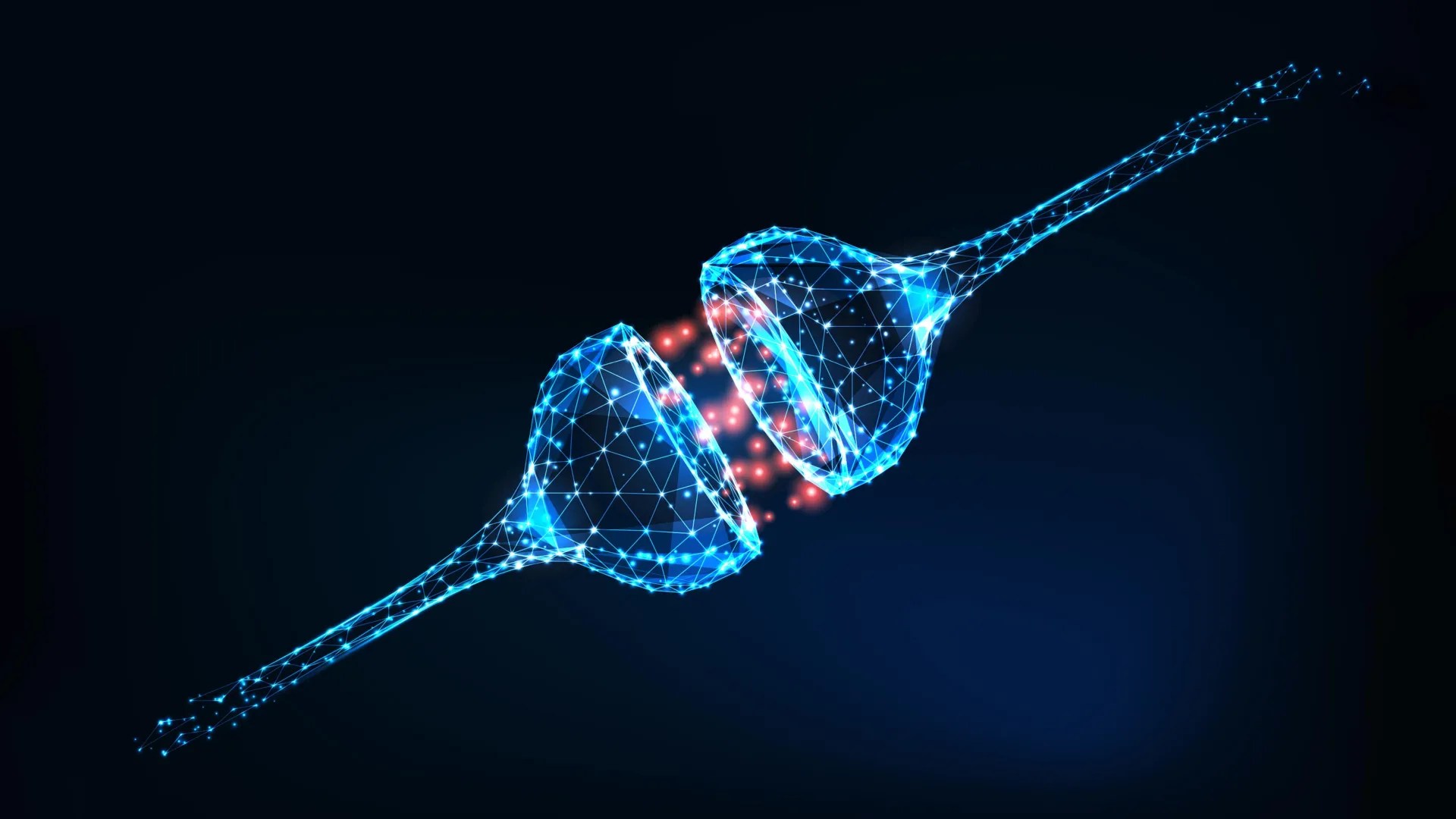
    Engineers at the University of Massachusetts Amherst have developed an artificial neuron whose electrical activity closely matches that of natural brain cells. The innovation builds on the team’s earlier research using protein nanowires made from electricity-producing bacteria. This new approach could pave the way for computers that run with the efficiency of living systems and may even connect directly with biological tissue.

    “Our brain processes an enormous amount of data,” says Shuai Fu, a graduate student in electrical and computer engineering at UMass Amherst and lead author of the study published in Nature Communications. “But its power usage is very, very low, especially compared to the amount of electricity it takes to run a Large Language Model, like ChatGPT.”

    The human body operates with remarkable electrical efficiency — more than 100 times greater than that of a typical computer circuit. The brain alone contains billions of neurons, specialized cells that send and receive electrical signals throughout the body. Performing a task such as writing a story uses only about 20 watts of power in the human brain, whereas a large language model can require more than a megawatt to accomplish the same thing.

    Engineers have long sought to design artificial neurons for more energy-efficient computing, but reducing their voltage to match biological levels has been a major obstacle. “Previous versions of artificial neurons used 10 times more voltage — and 100 times more power — than the one we have created,” says Jun Yao, associate professor of electrical and computer engineering at UMass Amherst and the paper’s senior author. Because of this, earlier designs were far less efficient and couldn’t connect directly with living neurons, which are sensitive to stronger electrical signals.

    “Ours register only 0.1 volts, which about the same as the neurons in our bodies,” says Yao.

    There are a wide range of applications for Fu and Yao’s new neuron, from redesigning computers along bio-inspired, and far more efficient principles, to electronic devices that could speak to our bodies directly.

    “We currently have all kinds of wearable electronic sensing systems,” says Yao, “but they are comparatively clunky and inefficient. Every time they sense a signal from our body, they have to electrically amplify it so that a computer can analyze it. That intermediate step of amplification increases both power consumption and the circuit’s complexity, but sensors built with our low-voltage neurons could do without any amplification at all.”

    The secret ingredient in the team’s new low-powered neuron is a protein nanowire synthesized from the remarkable bacteria Geobacter sulfurreducens, which also has the superpower of producing electricity. Yao, along with various colleagues, have used the bacteria’s protein nanowires to design a whole host of extraordinary efficient devices: a biofilm, powered by sweat, that can power personal electronics; an “electronic nose” that can sniff out disease; and a device, which can be built of nearly anything, that can harvest electricity from thin air itself.

    This research was supported by the Army Research Office, the U.S. National Science Foundation, the National Institutes of Health and the Alfred P. Sloan Foundation.


    Source link

    Artificial build neurons Real Scientists Work
    Follow on Google News Follow on Flipboard
    Share. Facebook Twitter Pinterest LinkedIn Tumblr Email Copy Link
    tonirufai
    big tee tech hub
    • Website

    Related Posts

    The Download: How AI really works, and phasing out animal testing

    November 17, 2025

    New projects will build up Canada’s clean economy, but LNG exposure invites unnecessary risk

    November 16, 2025

    AI Overviews Shouldn’t Be “One Size Fits All” – O’Reilly

    November 16, 2025
    Add A Comment
    Leave A Reply Cancel Reply

    Editors Picks

    Latest progress update on Microsoft’s Secure Future Initiative

    November 17, 2025

    November 17, 2025 – Tim Cook succession planning, more

    November 17, 2025

    How to Hire Offshore Software Developers

    November 17, 2025

    Amazon is seeking to raise about $12B through a bond sale, its first such deal in US dollars since 2022, to help fund acquisitions, capex, and more (Bloomberg)

    November 17, 2025
    About Us
    About Us

    Welcome To big tee tech hub. Big tee tech hub is a Professional seo tools Platform. Here we will provide you only interesting content, which you will like very much. We’re dedicated to providing you the best of seo tools, with a focus on dependability and tools. We’re working to turn our passion for seo tools into a booming online website. We hope you enjoy our seo tools as much as we enjoy offering them to you.

    Don't Miss!

    Latest progress update on Microsoft’s Secure Future Initiative

    November 17, 2025

    November 17, 2025 – Tim Cook succession planning, more

    November 17, 2025

    Subscribe to Updates

    Get the latest technology news from Bigteetechhub about IT, Cybersecurity and Big Data.

      • About Us
      • Contact Us
      • Disclaimer
      • Privacy Policy
      • Terms and Conditions
      © 2025 bigteetechhub.All Right Reserved

      Type above and press Enter to search. Press Esc to cancel.