


Are your solar lights not working as they should be?
While solar lighting is a fantastic option for your outdoor areas, you’ll likely run into an issue or two with this technology at some stage.
Here are five common reasons why your solar lights aren’t working:
- Battery needs replacing.
- The pull tab for the battery.
- Dirty solar panel.
- Faulty or damaged sensor.
- Water ingress/intrusion.
In this article, you’ll learn about each of these issues and how to remedy them so that you can confidently fix solar lights.
Solar lights not working: 5 main causes
1. Batteries need replacing
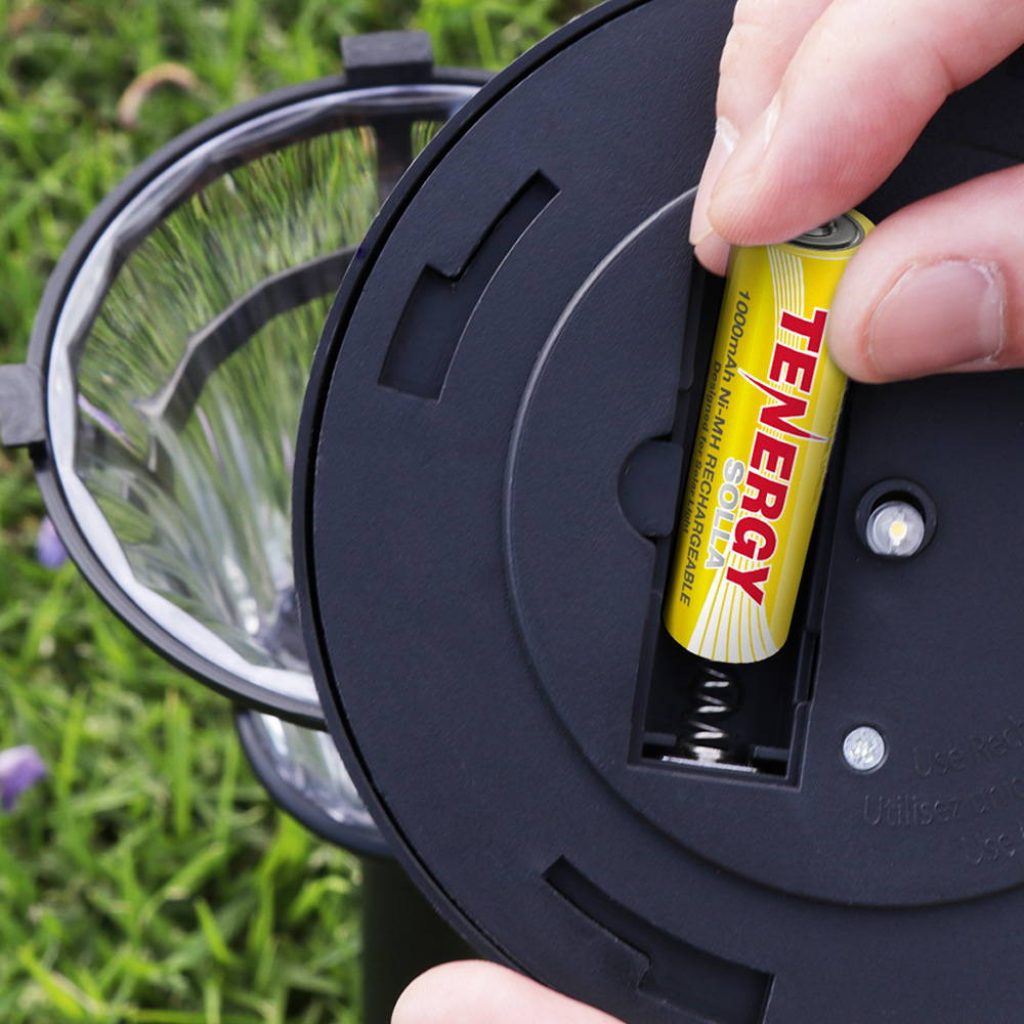
This is the most common issue associated with solar lights.
The vast majority of solar lights come with rechargeable batteries installed in them. Most of these batteries are of high quality and will last for quite some time (often years), but they still have a lifespan.
When your batteries reach the end of their lifespan, you’ll find that they won’t work as efficiently; they may even stop working entirely. So, in this case, to fix your solar lights, you’ll need to replace the dead batteries.
Please note: After purchasing, remember to charge your lights before using them for the first time. Don’t expect them to function at full capacity right out of the box.
2. Battery pull tab/strip
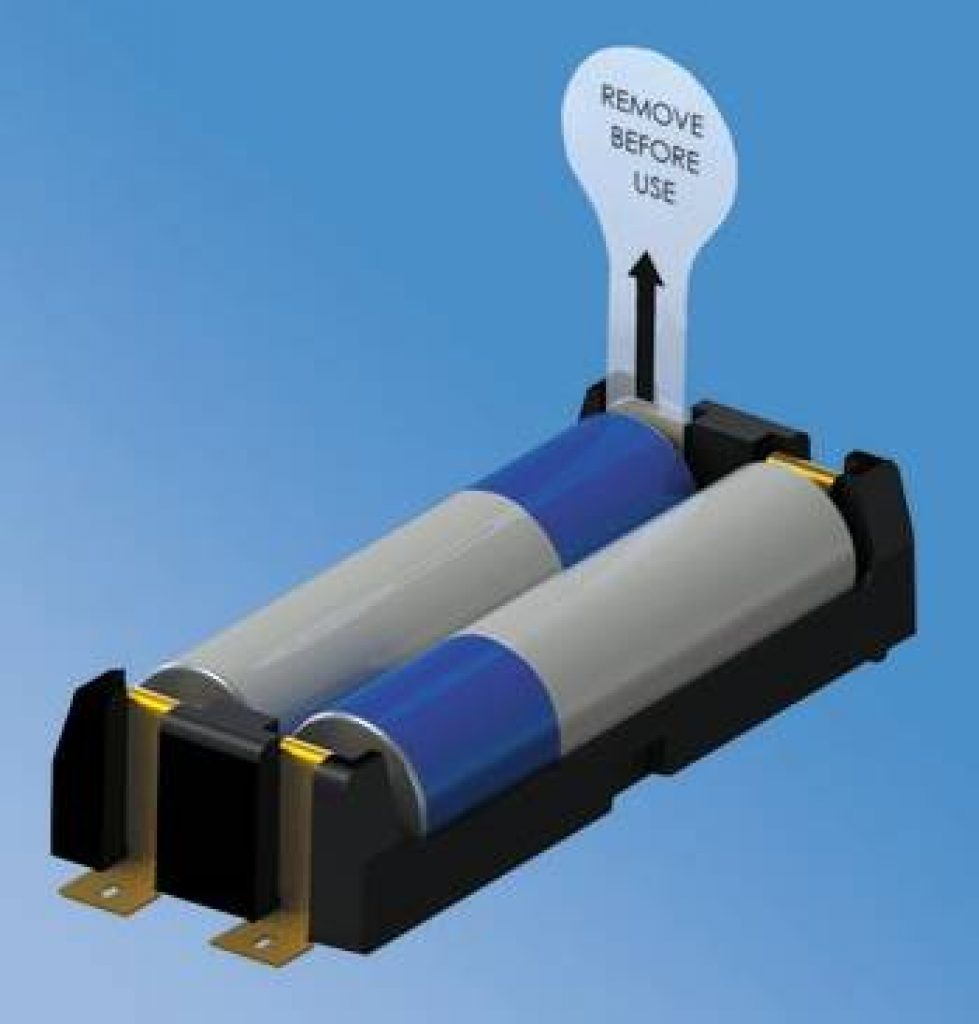
This issue only applies to newly purchased lights.
Most solar lights come with a battery strip or pull tab between the battery and the battery terminal. These tabs are used to preserve the battery life of your lights during shipping.
If your solar lights aren’t working after you’ve unboxed and attempted to charge them, the battery tab is likely still in place.
Related Reading: Outdoor Solar String Lights (That Can Brave The Weather)
3. Dirty solar panel
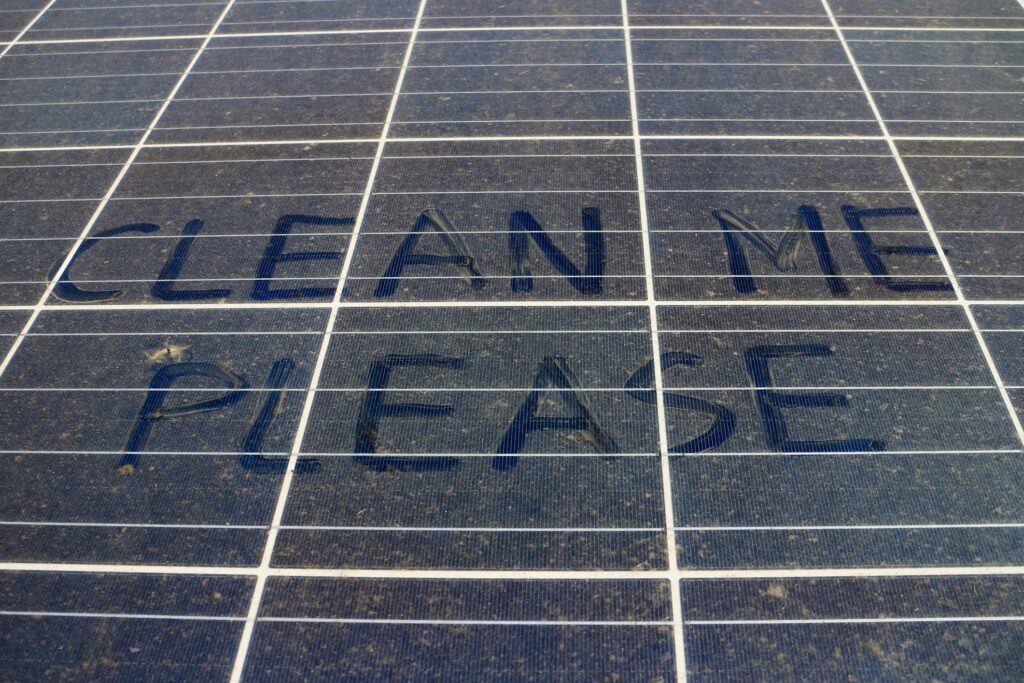
Quality sunlight is your solar light’s bread and butter. Without it, it won’t work.
It’s all very well to have your lights positioned well to receive adequate sunlight, but that won’t mean much if your solar panels are grubby.
Dust and debris are the culprits here. So before you go about replacing any batteries or checking for other issues, ensure that your panels are clear of any dirt that may get in the way of them receiving much-needed sunlight.
With the above in mind, make a concerted effort to regularly check up on and maintain your solar panels, cleaning them when necessary.
4. Faulty or damaged sensor
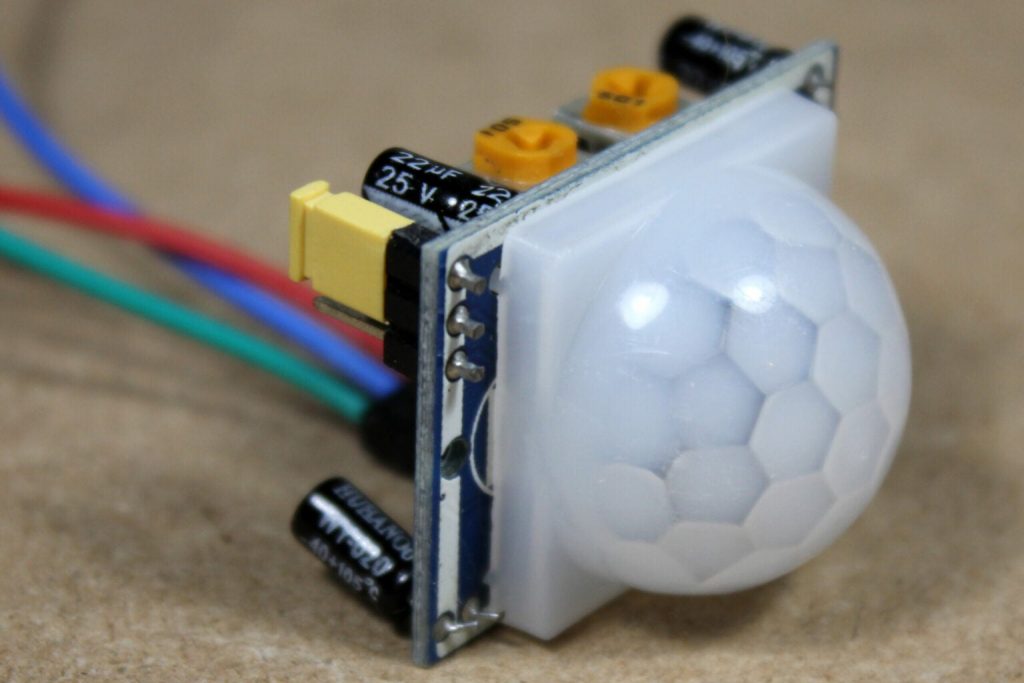
Any solar light worth buying will come with a light-sensitive sensor. These sensors are responsible for turning your lights on at night and off during the day.
A faulty or damaged sensor means that your lights won’t differentiate between the different times of the day. This will force you into manually switching them ON/OFF when required, and let’s be honest; no one needs that type of hassle in their life.
5. Water ingress/intrusion
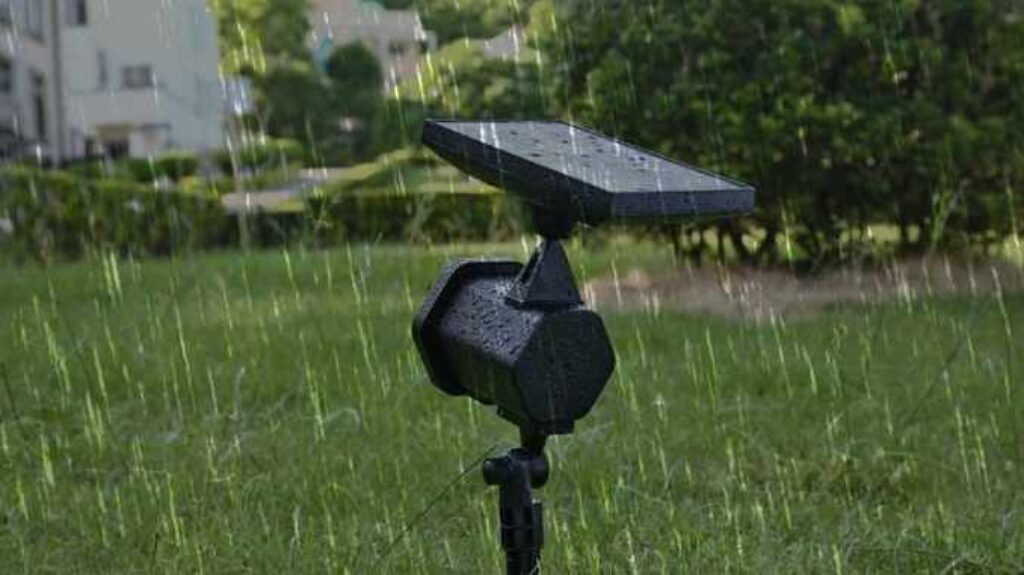
Even though most solar lighting products come with Ingress Protection (IP) to protect against water and weather-related damage, some may still suffer from water intrusion.
When this happens, water or residue may build up inside the accompanying solar panels, damaging the internal wiring and circuitry.
“But why would this happen if my lights have an IP rating?“
Water damage can result from the following:
- Poor build quality.
- Insufficient protection.
- General degradation.
Related Reading: 20 Best Batteries For Solar Lights (Buyer’s Guide)
How to fix solar lights when they break?
Now that we’ve identified some of the most common issues related to solar lights not working let’s discuss solutions to each problem:
Battery replacement
It’s easy to forget that solar light’s rechargeable batteries have a lifespan of roughly three years. Over this period, you’ll find that the efficiency of your batteries will decrease.
But how do you test for a decrease in your battery’s efficiency?
Check the discharging time
You should be able to see the average runtime of your lights via your product specifications sheet – either online or offline. Alternatively, it is good practice to test the runtime of your lights during their first discharge.
For example, if your lights used to operate for 12 hours and now only work for 8, your batteries are losing their charging capacity.
Deep charge technique
Sometimes, your batteries don’t have enough charge to power your lights. In this case, trying this 72-hour charging technique may yield positive results.
This technique helps your batteries reach their full capacity by charging them over an extended period.
To use this technique, do the following:
- Switch your lights off
- Let them charge for 72 hours
- Try them out
Use different batteries
First, test your solar lights with standard batteries; be sure to use ones with the same voltage.
If the light works, it’s clear that your batteries can’t hold the charge. You can also test your rechargeable batteries by using them in any battery-powered device.
After attempting these steps, if you discover that your batteries are compromised, it’s time to replace them.
Battery pull tab/strip
You’ll find this pull tab/strip underneath the battery compartment. Simply remove it to get your lights working.
If you’re unsure about this strip’s location, some instructions should come with your lights – these will point you in the right direction.
Cleaning a dirty solar panel
Pure water is the best way to clean solar panels. Failing that, you can use rainwater or tap water with low mineral content.
Why?
Soaps can leave a film or residue that encourages dirt to stick and build up quicker. Worse yet, using a harsh chemical agent while cleaning solar panels can cause scaling. Finally, soap can work its way under the frame and damage the silicon.
What if the panel’s clearcoat starts breaking down or becomes hazy?
Here’s a video, courtesy of Plant Abundance, that’ll help you restore your solar lights to good health:
For a more comprehensive guide on solar panel cleaning, check out our article — How To Clean Solar Panels (DIY Tips & Advice).
Checking a faulty or damaged sensor
Solar lights with a sensor should only come on in the absence of light. So, to test the working condition of your sensor, you’ll need to simulate darkness.
This can be done by placing your hand or a thick cloth over the sensor. If the light does not turn on, then your sensor or some of the wiring is most likely compromised.
You may want to investigate further and replace/fix the sensor or any wiring yourself; if you are very confident in doing so, great! Ideally, though, you’ll want to reach out to the manufacturer for assistance.
Fortunately, some manufacturers provide warranties that cover you in such an event. Reach out to your product’s manufacturer to see if they offer replacements.
Water ingress/intrusion
As previously mentioned, solar lights often come with IP ratings that make them water-resistant. However, this doesn’t mean that they aren’t susceptible to water damage.
Heavy rains and accidentally submerging them can damage them.
In the event of water intrusion, do the following:
- Make sure your light is switched off.
- Open your solar light/solar panel and gently dry off all components – pay special attention to the sensor.
- Carefully re-assemble it.
- Place it in a dry, warm spot to dry off even further.
- Go ahead and manually test the light to see if it still works.
Related Reading: 8 Best LED Garage Lights (You Must Install Today)
How to make your solar lights last long?
Here are some tips to increase the lifespan of your solar lights:
- Maintain them: Clean and maintain your solar panels regularly.
- Check on your batteries: Charge the batteries before use and replace them when the time comes.
- Place them appropriately: Place your lights and solar panel in an unobstructed area.
- Store when necessary: If your lights are for decorative purposes or you experience extreme weather conditions over an extended period of time, bring them inside for storage.
FAQs
Can I use any kind of rechargeable battery for my solar lights?
It is important to use the correct type of rechargeable batteries in solar lights, typically NiMH or NiCd batteries.
They should be of the same voltage as recommended by the manufacturer. Using the wrong type or voltage can result in poor performance or damage to the light.
What should I do if my solar lights are not bright enough?
If your solar lights are not bright enough, first ensure they are receiving adequate sunlight during the day and that the solar panels are clean.
If these are not issues, the lights may be dim due to aging LEDs or low battery power, and you may need to replace the LEDs or the batteries.
How can I maximize the sunlight received by my solar lights?
To maximize sunlight, position the solar lights in a location where they can receive direct sunlight for the majority of the day, away from shadows cast by trees, buildings, or other obstructions.
Adjusting the angle of the solar panel, if possible, can also help in capturing more sunlight.
Can solar lights be repaired if water has significantly damaged the internal components?
Significant water damage to the internal components of solar lights, especially to the circuitry and battery, can be challenging to repair.
In such cases, it might be more cost-effective to replace the entire unit unless the damaged components are easily accessible and replaceable.
Can I leave my solar lights outside all year round, including winter?
While many solar lights are designed to withstand various weather conditions, extreme cold, snow, and ice can potentially damage them.
It’s recommended to store them inside during extreme winter conditions, especially if they are decorative or not needed, to prolong their lifespan.
Is it possible to upgrade the solar panel or LED in my existing solar light setup for better performance?
Yes, it is possible to upgrade the solar panel or LED for better performance, but it requires a good understanding of electronics and possibly some soldering skills.
Upgrading to a higher wattage solar panel can improve charging efficiency, and changing to a brighter LED can enhance light output. However, doing so might void the warranty, so it’s essential to consider this before making modifications.
Final thoughts
Fixing solar lights doesn’t need to be a hassle. Sure, you may find yourself running into some issues with them at some stage. But generally, they don’t tend to present you with problems you can’t overcome.
Give them a little TLC here and there, and you’ll be fine. After all, if you take care of your lights, they will take care of you.
