


[ad_1]
Dr. Jonathan (Jon) Lundgren says it’s easy to see evidence of Ecdysis intervention when he’s visiting a farm. He can sense it through the new sounds of birds chirping, bugs whizzing by his ears, fresh hues of greens radiating off the fields in front of him, a thriving surrounding community, and laughter from the farmers. Lots of laughter. His job, as a farmer, scientist-by-training, and the founder of the South Dakota-based nonprofit Ecdysis Foundation, is to translate these anecdotal indicators of a flourishing ecosystem into data that farmers can use to track the health of their farms and make informed, evidence-based managerial decisions.
Regenerative farming practices prioritize soil health to maximize the vitality of farmland and food quality. Jon links regenerative agriculture practices to livelihood improvement by reducing reliance on pesticides for better health outcomes, diversifying revenue streams for economic profit, increasing nutrient density in food, and generating biodiversity to naturally combat pests. These outcomes can lead to long-term resilience, and, as Jon notably adds, happier farming communities.
“One of the key outcomes of regenerative agriculture ends up being a stronger connection within your communities, within your family, and then the natural world that’s around us,” Jon says. “There’s something innately human about that.”
1,000 farms initiative and closing the data divide
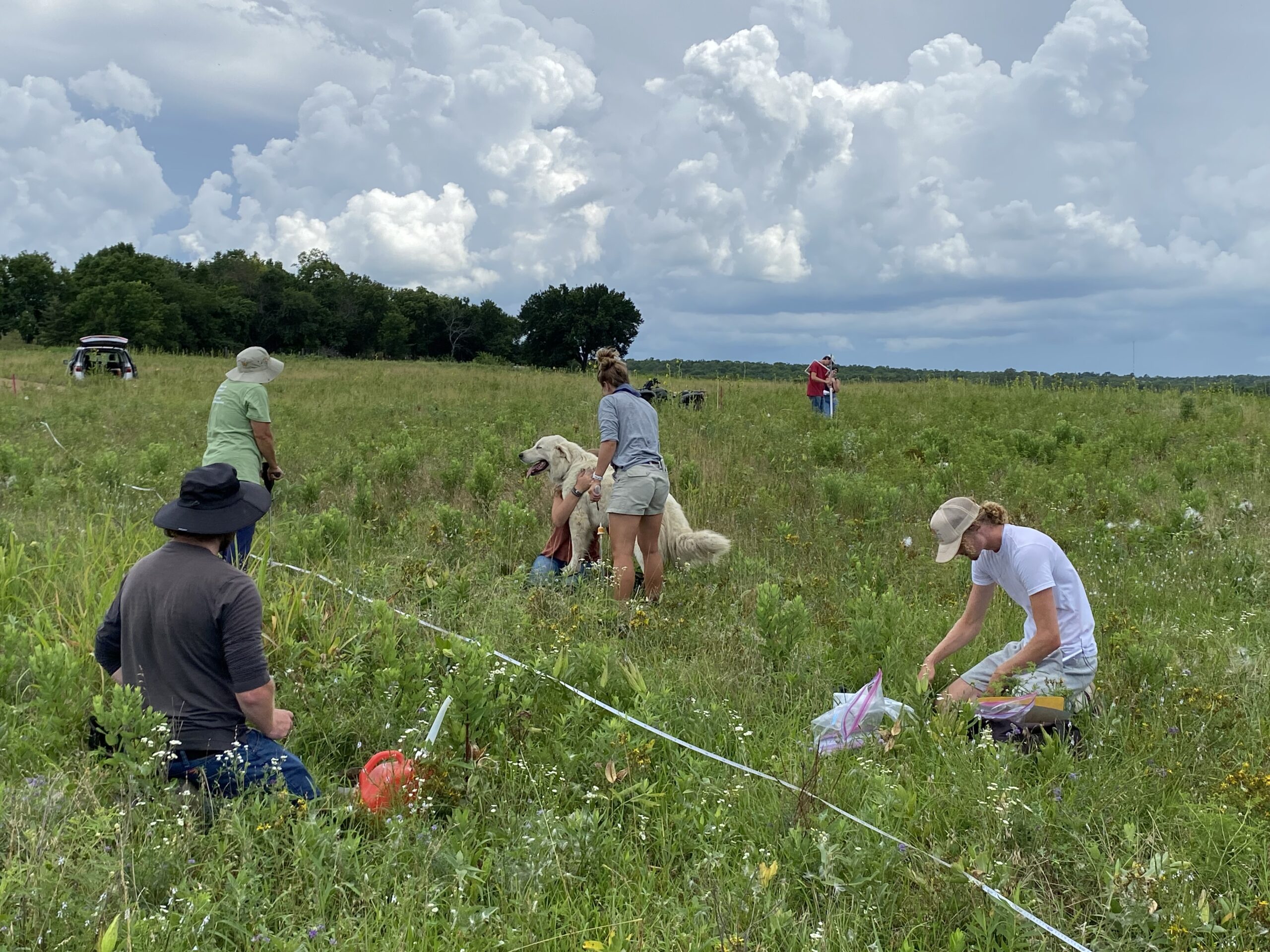
That’s why in 2022, with support from a Cisco Foundation Climate Resilience Grant, Ecdysis launched its “1,000 Farms” initiative, a project designed to scientifically validate the ecological and economic benefits of regenerative agriculture. Ecdysis provides farmers with training and technological infrastructure to upload farm samples into its system for feedback. The platform then demonstrates how soil chemistry, water retention levels, and biodiversity influence farm outcomes. By transforming raw data into clear, actionable insights, the initiative empowers farmers to make informed decisions that optimize farm health through proven regenerative practices. This is central to the Cisco Foundation’s efforts to power an inclusive future for all by making high-tech insights available to more people and organizations.
“When technologies help to enhance the connection of farmers with the natural world or their community, that’s extremely important for advancing our food system and society at large,” Jon says. “Engaging farmers in measuring their own operations empowers them to try new things on their farms, and they don’t have to wait for some scientist team to come. They can just measure what seems to be happening, and they can watch it in real time, so it allows them to understand the full implications of changes in management to important regenerative outcomes.”
Journey to regeneration
Gail Fuller is a livestock farmer, born and raised in Kansas. His farm, Fuller Farms, is one of the 1,700 + farms Ecdysis has sampled through this project. Gail started as a typical soybean and corn farmer and faced difficulties with soil erosion and excessive chemical use with conventional practices. He began experimenting with regenerative practices when he grew frustrated with his yields, the poor health of his land and community, and experienced a decline in his mental health as a result.
“I live in rural America. I grew up on a farm, I love wildlife, I love playing in streams and ponds, and they were all becoming toxic,” Gail recalls. “The pond that my grandfather taught me how to fish in, that my brother and I played in, became a lagoon for our feed lot. There were no fish left. The streams and rivers became loaded with chemicals, and we started to see loss of wildlife.”
Gail says that Ecdysis data saved him costs by identifying what specific practices were most beneficial to his land. Once he incorporated regenerative practices like adding cover crops, grazing livestock, and eliminating chemicals from his routine, Gail says his farm “just exploded with life.”
“What I see Ecdysis doing is giving farmers actual data to give them encouragement and courage to make changes,” Gail says. “Whether they’re conventional farmers sitting on the fence, or whether they’ve dipped their toe into regenerative agriculture but are still hesitant, the information that you get from Ecdysis helps people take those steps into the unknown.”
Creating community through data accessibility
Reginaldo Haslett-Marroquin is the owner of Salvatierra Farm, a regenerative Tree-Range poultry farm in Northfield, Minnesota, and Ecdysis has sampled his farm twice. When Reginaldo and his wife Amy bought Salvatierra in 2021, the land was so stripped of nutrients that trees wouldn’t grow for the first three years. Since then, with the help of Ecdysis and in collaboration with the Regenerative Agriculture Alliance, Reginaldo has cultivated a flourishing poultry business and helped build a strong regenerative poultry community in the area. Reginaldo says the information he’s received from Ecdysis has been critical to decision-making and strategic farm planning. Recently, Reginaldo was excited to see Ecdysis data showed proof that planting biostimulants on his farm created more nutrients in his soil.
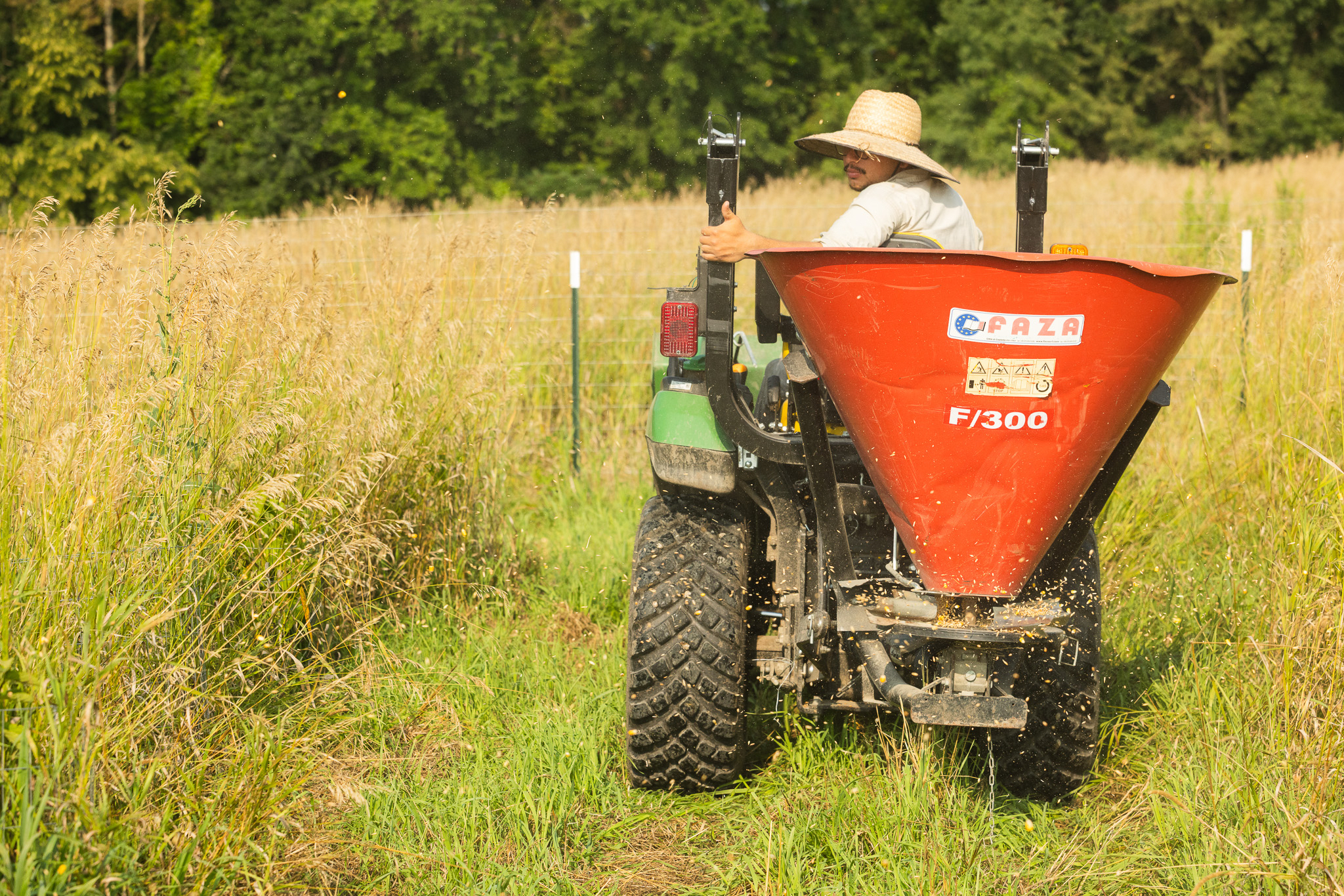
“We have a baseline now, and I know that that baseline will support our practices this year. We now have documented evidence that we will be more successful,” he says. “The fact that Ecdysis is collecting that information and making it available to us equips us with the other half of the equation.”
Gail and Reginaldo believe that regenerative agriculture is the lifeline of rural America, and they see community as a central tenet of promoting positive change in the industry. The farmers see themselves on both the giving and receiving end of what Jon calls “relationship-based science” through the facilitation of community.
“Without community, it’s not going to turn into a regenerative landscape [because] communities mean communities of practice, including the scientific community, which is where Ecdysis Foundation was critical for us because they are now part of our community of regeneration,” Reginaldo says. “Though they’re not farming, they’re central to the overall success and pursuit of regenerative outcomes.”
Ecdysis Foundation and farmers like these are doing their part across America to build resilient, local economies where people and the land can thrive together. Supported by Cisco Foundation Climate Resilience Grants, they’re better equipped with the data, technology, and insights required to make this goal a scalable reality.
[ad_2]
Source link
